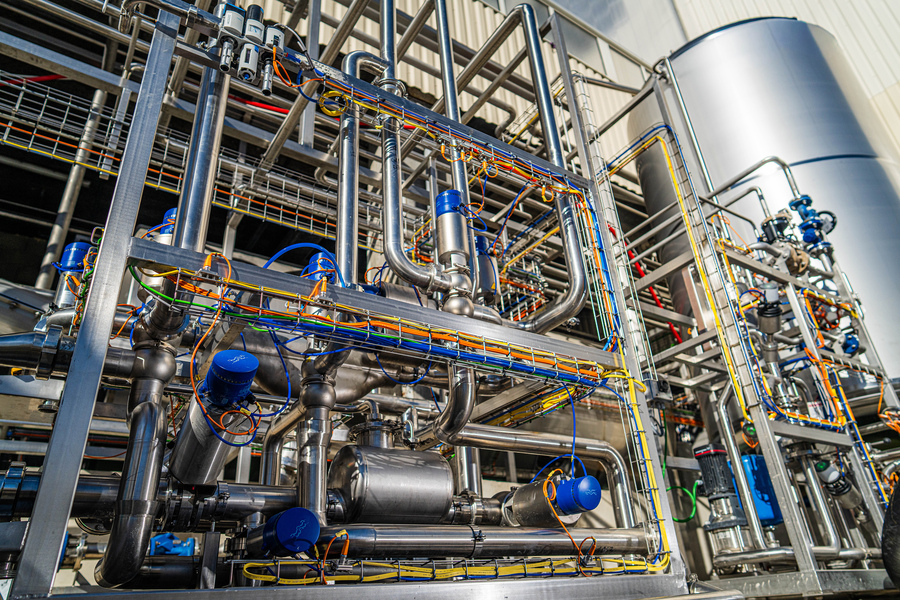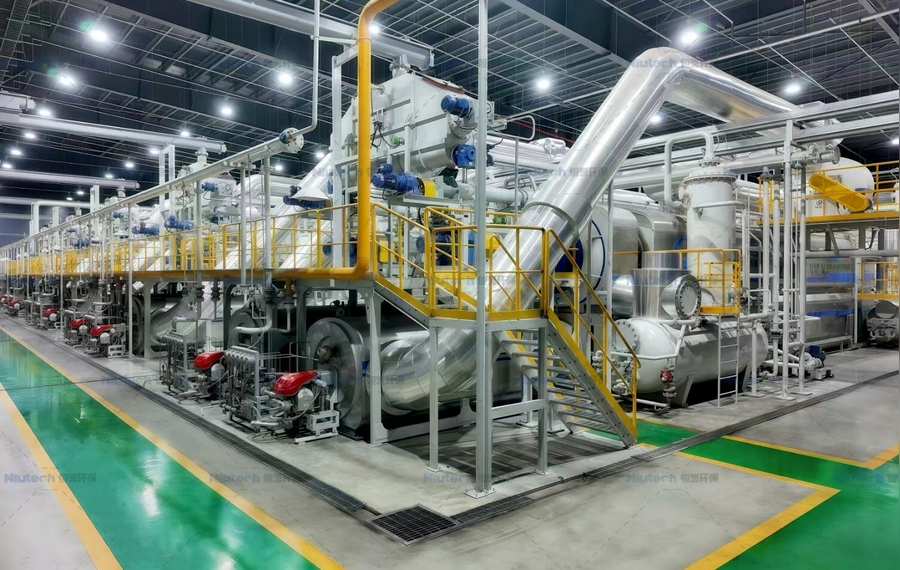

Niutech Environment Technology Corporation said on 24 March that its majority-owned subsidiary, Shandong Hesheng Environment Technology Co., Ltd., has started construction on a 100,000-tonne-per-year tyre pyrolysis expansion project. The development would lift Hesheng’s total annual processing capacity from 60,000 tonnes to 160,000 tonnes, adding scale to the end-of-life tyre recovery segment.
According to Niutech, the project adds 100,000 tonnes of annual tyre pyrolysis capacity at Hesheng’s site, taking the operation from 60,000 tonnes to 160,000 tonnes a year. That makes this a significant expansion in end-of-life tyre processing, not an incremental plant upgrade.
The company says the enlarged operation would become the largest tyre pyrolysis-based collection, processing and resource utilisation project of its kind in the world. That claim has not been independently verified and should be treated as a company statement.
In practice, the more relevant point for tyre industry readers is the scale of the capacity uplift. A move of this size suggests continued confidence in pyrolysis as part of the wider end-of-life tyre processing mix, particularly as operators seek larger throughput and more consistent output streams.
Pyrolysis remains one of the most closely watched routes in tyre recycling because it sits at the intersection of waste management, material recovery and circular supply chains. Projects at this scale matter because they test whether the segment can move beyond pilot and demonstration activity into larger industrial processing platforms.
This builds on wider sector interest in pyrolysis and recovered materials. Recent TyreNews.co.uk coverage has tracked both Bridgestone’s pyrolysis pilot plant for end-of-life tyre recycling and Pyrum’s ISCC EU-certified thermolysis oil and recycled material strategy.
For recyclers, collectors and manufacturers, the commercial significance of any individual pyrolysis project still depends on execution. Feedstock security, plant uptime, output quality, environmental performance and downstream demand all determine whether headline capacity converts into sustainable operating value.
The announcement also lands at a time when end-of-life tyre management remains under scrutiny. TyreNews.co.uk has recently reported on Environment Agency compliance issues in UK waste tyre exports and industry warnings over pressure on domestic used tyre recycling capacity.
Against that backdrop, new processing capacity is relevant well beyond one company announcement. It points to ongoing investment in infrastructure designed to handle used tyres at scale and recover value from waste streams that might otherwise be exported, stockpiled or downgraded into lower-value routes.
The company says the project strengthens Hesheng’s position in tyre recycling and resource recovery. However, the sector will judge the expansion on operational delivery rather than headline claims.
Tagged with: tyre pyrolysis, end-of-life tyres, tyre recycling, resource recovery, recovered carbon black, tyre-derived oil, waste tyre processing, circular economy, ELT capacity, recycling infrastructure
Editorial Standards & Disclaimer
Tyre News Media is an independent industry publication. Our reporting is based on information available at the time of publication, including company announcements, regulatory filings, official data, research and other sources considered reliable.
Articles may include independent analysis and editorial interpretation. Where appropriate, company statements and third-party claims are attributed to their source. Analysis, estimates and forward-looking observations should not be read as statements of established fact.
Tyre News Media takes reasonable steps to ensure accuracy but welcomes corrections, clarifications and responses from organisations or individuals covered in our reporting. If you believe information is inaccurate or requires clarification, please contact info@tyrenews.co.uk. Material errors will be corrected as appropriate.
Commercial relationships, advertising and sponsorship do not determine Tyre News Media's editorial coverage or conclusions.


















%20(1).jpeg)
%20(1).png)