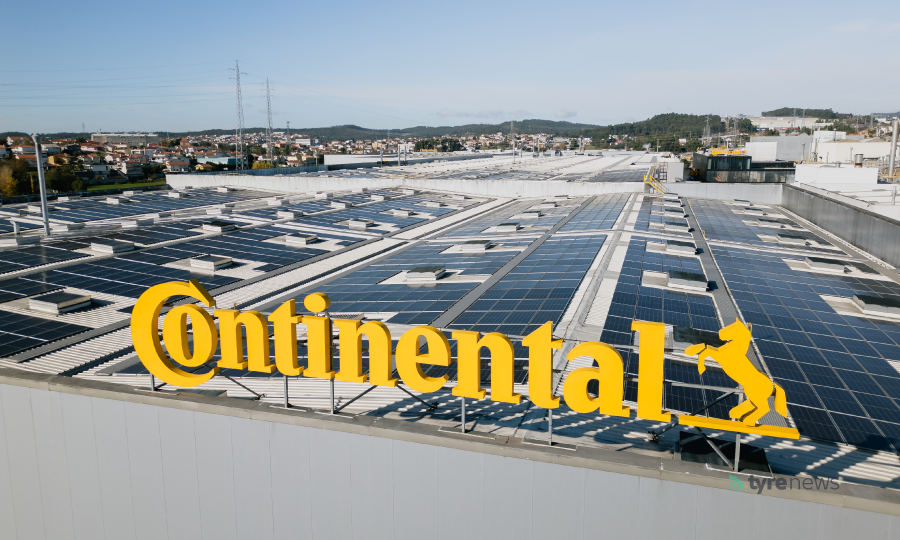

Continental says it has fully phased out coal and heavy fuel oil across all its tyre production sites worldwide, with the change completed in January 2026. The firm has moved steam generation and heating to a mix including biomass, biogas and renewable electricity, backed up by liquefied petroleum gas (LPG) and natural gas where needed.
Steam remains central to tyre manufacturing, particularly for heating and vulcanisation processes. Continental says it now generates that steam using alternative energy sources, including biomass and biogas, plus electricity sourced from renewables, supported by LPG and natural gas to maintain continuity of supply.
Dr Bernhard Trilken, Head of Manufacturing and Logistics at Continental Tires, framed the shift as both a decarbonisation and risk-management move: “For us, coal and heavy fuel oil are a thing of the past,” adding that a “smart mix of energy sources” can make plants “more resilient.”
Continental says that until the early 2020s, seven of its 19 tyre production facilities still relied on coal and heavy fuel oil for steam generation, partly to secure stable thermal output in markets with weaker gas and electricity infrastructure. It says systematic investments have now enabled all plants to transition away from those fuels.
Henning Mühlenstedt, Head of Future Technologies and Sustainable Infrastructure at Continental Tires, said the company has reduced “production-related CO₂ emissions” through electrification and changing heat-generation fuels across sites.

Continental reports it has purchased electricity exclusively from renewable sources since 2020 and has continued to expand its own renewable generation. It also reports a double-digit reduction in greenhouse gas intensity in 2025 versus 2024, and a c.70% reduction versus 2019, attributing progress in part to switching lower-emission heat sources and cutting around 180,000 metric tonnes of CO₂ over four years.
In practice, tyre trade professionals should read this as a signal on three fronts:
Continental says the energy mix differs by plant depending on local infrastructure and fuel availability. It points to examples including a shift from coal to biomass at Gqeberha (South Africa), a move to renewable biomass steam in Kalutara (Sri Lanka) after adding a second biomass boiler, and a supplier-linked transition in Otrokovice (Czech Republic) as a regional power plant shifted from coal towards biomass and natural gas, with knock-on effects for local district heat.
Continental’s announcement also lands in a market where ESG scoring and disclosure increasingly shape procurement and investor scrutiny. Tyre News Media previously covered Continental’s continued leadership role in the Tyre Industry Project through to 2029, which focuses on shared sustainability challenges including tyre wear and end-of-life tyre pathways.
Tyre News Media has also tracked how major manufacturers are being benchmarked in sustainability rankings and assessments, see our 2025 review of the world’s most sustainable tyre companies.
Tagged with: coal phase-out, heavy fuel oil, steam generation, vulcanisation heat, biomass boilers, biogas, renewable electricity, LPG, natural gas, tyre plant decarbonisation, Scope 1 emissions, energy resilience
Editorial Standards & Disclaimer
Tyre News Media is an independent industry publication. Our reporting is based on information available at the time of publication, including company announcements, regulatory filings, official data, research and other sources considered reliable.
Articles may include independent analysis and editorial interpretation. Where appropriate, company statements and third-party claims are attributed to their source. Analysis, estimates and forward-looking observations should not be read as statements of established fact.
Tyre News Media takes reasonable steps to ensure accuracy but welcomes corrections, clarifications and responses from organisations or individuals covered in our reporting. If you believe information is inaccurate or requires clarification, please contact info@tyrenews.co.uk. Material errors will be corrected as appropriate.
Commercial relationships, advertising and sponsorship do not determine Tyre News Media's editorial coverage or conclusions.















%20(1).png)


%20(1).jpeg)
%20(1).png)
%20(1).jpeg)