
Continental is significantly expanding its use of sustainable materials in tyre production, with recycled steel, PET bottles, and innovative adhesion technologies playing a central role in the company's circular economy strategy.
The tyre manufacturer has revealed that renewable and recycled materials accounted for an average of 26% of its tyre production in 2024. Continental now aims to increase this figure to at least 40% within the next five years, marking a substantial commitment to more sustainable manufacturing practices.
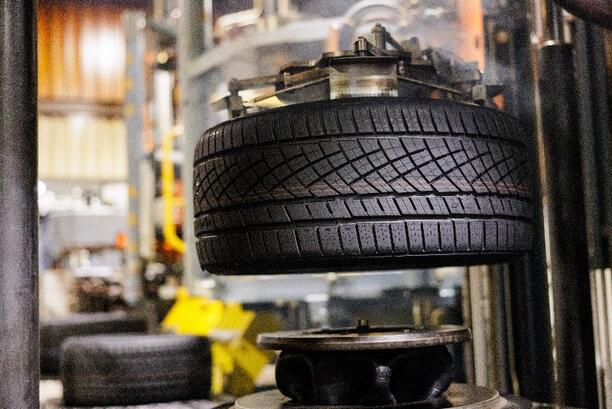
A key area of focus is the reinforcement materials that provide dimensional stability and performance throughout a tyre's lifetime. Steel and textiles, which comprise approximately 18% of materials used in passenger car tyres—and potentially more in commercial vehicle or specialty tyres—are prime targets for sustainable alternatives.
"We are not reinventing the wheel – but we are reinventing the tyre, with more sustainable materials and more environmentally compatible production processes," said Dr. Matthias Haufe, head of Material Development and Industrialization at Continental Tires. "It's not just about the rubber itself. We also focus on the materials that give the rubber its shape and make tyres stable and safe."
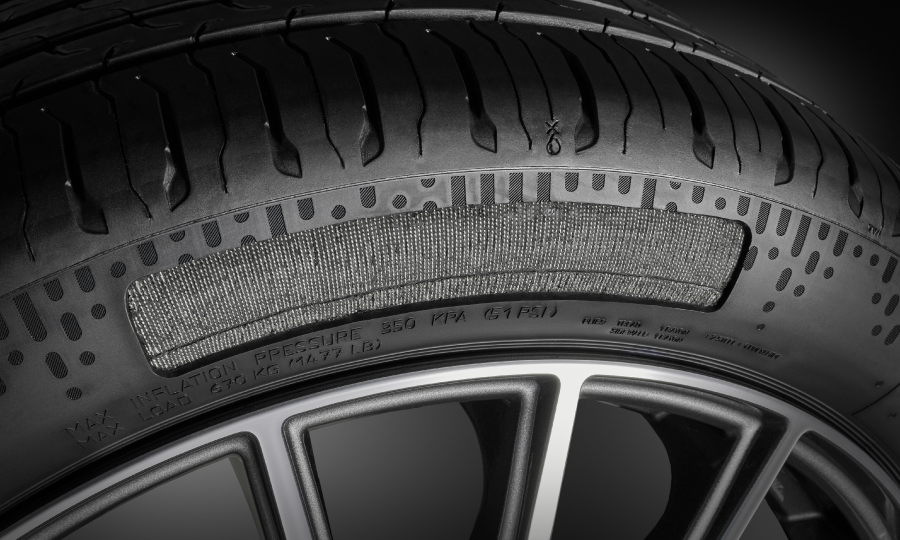
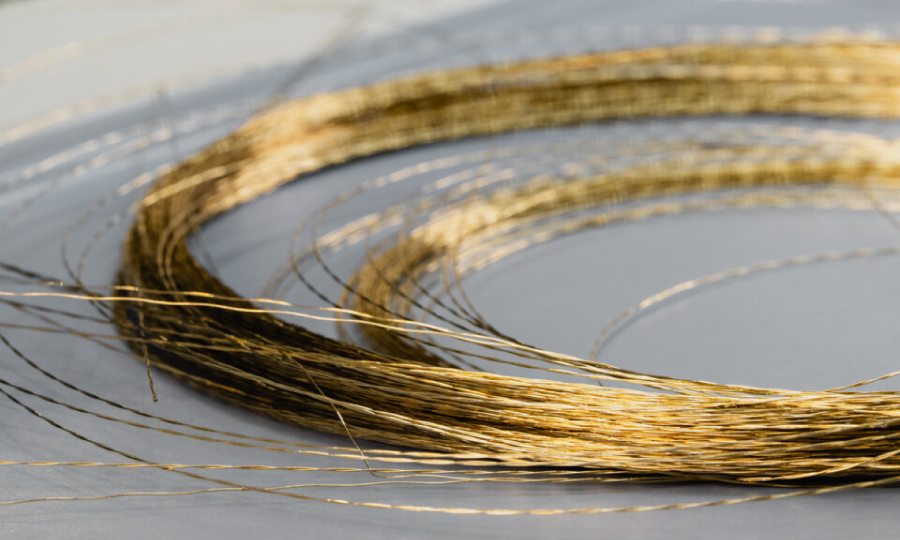
Continental is increasing its use of recycled steel without compromising safety or performance. Steel serves multiple critical functions in tyres, from reinforcing commercial vehicle carcasses with high-strength cords to securing tyres to wheel rims through bead core wires, and enhancing puncture resistance and stability through belt layers.
The company is also expanding its use of polyester yarn manufactured from recycled PET bottles. Continental's ContiRe.Tex technology, developed in partnership with textile manufacturer OTIZ, converts used PET bottles into high-performance polyester yarn for tyre carcasses without intermediate chemical steps. Depending on tyre size, a single tyre's carcass material can be made from up to 15 recycled PET bottles.
SGS, a leading global inspection and certification company, has verified that this application reduces CO₂ emissions by approximately 28% in PET tyre cord fabric compared to fossil-based alternatives. The technology is already deployed in series production tyres such as Continental's UltraContact NXT. Continental sources the recycled PET bottles exclusively from regions without closed bottle recycling loops.
Continental has also introduced COKOON adhesion technology, developed with global supplier Kordsa, which enables environmentally friendly bonding of textile reinforcements with rubber compounds without using resorcinol or formaldehyde in the textile dip bath.
"When it comes to sustainability, it's not just the materials we switch to, but also those we deliberately do without," Haufe explained.
In a move to promote industry-wide sustainability, Continental and Kordsa have made COKOON available to all tyre manufacturers and their suppliers as a license cost-free, open-source solution. Interested companies can request samples.
Beyond steel and textiles, Continental is introducing innovative alternatives across all raw material groups, including synthetic rubber from used cooking oil, resins from bio-based waste materials, and silica from rice husk ashes.
The company is also actively encouraging its suppliers to develop and provide sustainable materials, supporting a broader shift toward circular economy principles in the tyre industry.
https://www.tyrenews.co.uk/news/continental-equips-tour-de-france-with-sustainable-tyres-in-2025
https://www.tyrenews.co.uk/news/whattyre-names-continental-ultracontact-nxt-eco-tyre-2025
Tagged with: Continental sustainable materials, recycled PET polyester, recycled steel in tyres, COKOON adhesion, UltraContact NXT, circular economy tyres, low-carbon tyre manufacturing, rice husk silica, bio-based resins, tyre reinforcement textiles
Editorial Standards & Disclaimer
Tyre News Media is an independent industry publication. Our reporting is based on information available at the time of publication, including company announcements, regulatory filings, official data, research and other sources considered reliable.
Articles may include independent analysis and editorial interpretation. Where appropriate, company statements and third-party claims are attributed to their source. Analysis, estimates and forward-looking observations should not be read as statements of established fact.
Tyre News Media takes reasonable steps to ensure accuracy but welcomes corrections, clarifications and responses from organisations or individuals covered in our reporting. If you believe information is inaccurate or requires clarification, please contact info@tyrenews.co.uk. Material errors will be corrected as appropriate.
Commercial relationships, advertising and sponsorship do not determine Tyre News Media's editorial coverage or conclusions.


_0%20(1).png)













%20(1).jpeg)