DIGITAL-ONLY · OPEN ACCESS · TYRE INDUSTRY NEWS

Dunlop offers workshop guidance as Euro 7 begins, with new tyre abrasion requirements due to be introduced from July 2028.

Dunlop Tyre Europe is offering guidance to independent garages as the first phase of Euro 7 emissions regulations takes effect on 29 November 2026, extending vehicle emissions requirements beyond exhaust gases to include brake particles and tyre abrasion.
The new framework represents a significant change in how vehicle emissions are regulated. By including non-exhaust emissions, Euro 7 introduces requirements that extend across petrol, diesel, hybrid and battery-electric vehicles.
For independent garages and tyre retailers, however, the introduction of Euro 7 does not mean an immediate change to the suitability of existing replacement tyres or a requirement for motorists to replace serviceable components.
Tyre abrasion requirements will be introduced separately through a phased implementation programme, beginning with new passenger car tyre types in July 2028.
While Euro 7 applies to new car and van types in the European Union and Northern Ireland from 29 November 2026, Great Britain is taking a slightly different approach.
Following its consultation on vehicle emissions standards, the Department for Transport confirmed on 27 October 2026 that it would not introduce the initial mandatory type-approval deadline for new light-duty vehicle types.
Instead, the government intends to retain 29 November 2027 as the implementation date for mainstream new car and van registrations, with separate provisions for smaller manufacturers.
The decision provides manufacturers with greater flexibility during the transition while maintaining the government's intention to align vehicle emissions standards with the EU and Northern Ireland.
GOV.UK
For the tyre industry, the most significant regulatory milestones begin in 2028.
Under Regulation (E) 2024/1257, new tyre types will progressively become subject to abrasion requirements, beginning with passenger car tyres before extending to light and heavy commercial vehicle applications.

Although EUDR and Euro 7 address different environmental objectives, both increase the importance of accurate information throughout the tyre industry.
Manufacturers must address raw material sourcing, technical development and product conformity. Importers and distributors need to understand their respective regulatory responsibilities and ensure that relevant documentation can be accessed and exchanged efficiently.
For independent tyre retailers, the priorities include maintaining accurate supplier and product information, understanding which requirements apply to their businesses and communicating regulatory changes to customers.
The responsibilities are not identical across the supply chain. A retailer purchasing tyres from an established EU distributor may face different EUDR obligations from a business importing products directly into the EU.
Dunlop's two announcements illustrate these different aspects of regulatory preparation. While its EUDR programme involves changes to internal systems and supply chain processes, its Euro 7 guidance focuses on helping the aftermarket understand forthcoming product requirements.
As both regulations move towards implementation, the ability to manage and communicate reliable product information will become increasingly important across the tyre trade.
Tags: Dunlop Tyre Europe, EUDR, Euro 7, tyre regulations, natural rubber traceability, tyre abrasion, tyre supply chain, EDI-Wheel, tyre aftermarket, independent garages, tyre compliance, TRACES
Editorial Standards & Disclaimer
Tyre News Media is an independent industry publication. Our reporting is based on information available at the time of publication, including company announcements, regulatory filings, official data, research and other sources considered reliable.
Articles may include independent analysis and editorial interpretation. Where appropriate, company statements and third-party claims are attributed to their source. Analysis, estimates and forward-looking observations should not be read as statements of established fact.
Tyre News Media takes reasonable steps to ensure accuracy but welcomes corrections, clarifications and responses from organisations or individuals covered in our reporting. If you believe information is inaccurate or requires clarification, please contact info@tyrenews.co.uk. Material errors will be corrected as appropriate.
Commercial relationships, advertising and sponsorship do not determine Tyre News Media's editorial coverage or conclusions.







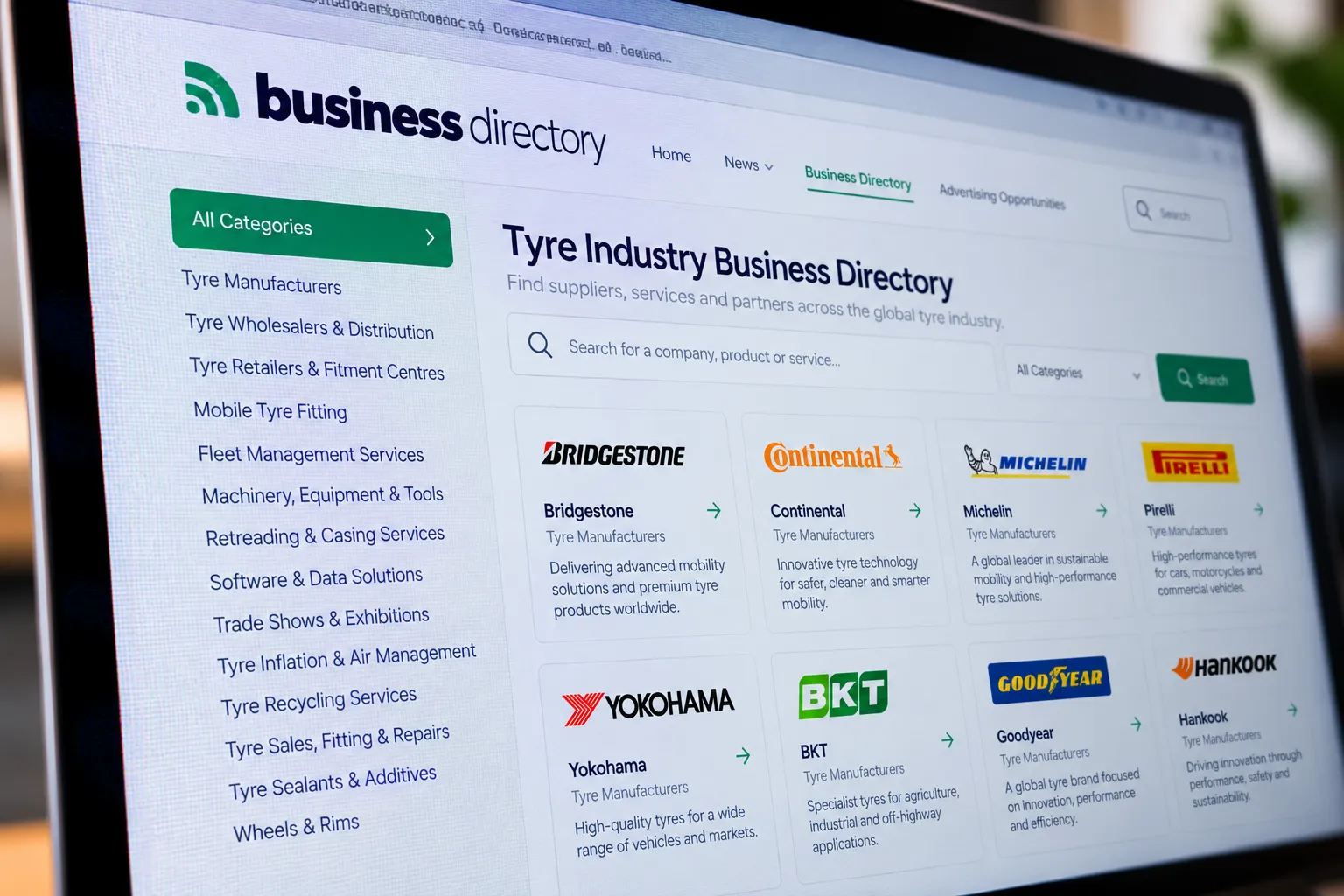
Tyre Industry Business Directory
Search manufacturers, suppliers, wholesalers, service providers and industry partners across the tyre sector.
Commercial Relationships
TNM works with sponsors and advertisers across the tyre industry. These relationships help fund open-access journalism while editorial decisions remain independent.
TNM Sponsor
Kumho Tyre (UK) Ltd

Banner Advertiser
Davanti Tyres

Banner Advertiser
Linglong Tyre Co., Ltd

TNM Sponsor
Point S UK Ltd

TNM Sponsor
TyreSafe

TNM Sponsor
Oak Tyres

TNM Sponsor
ENVOY Tyres
Work with TNM
Explore advertising, sponsorship and supporter opportunities across Tyre News Media.
Commercial relationships do not determine TNM editorial coverage or conclusions.