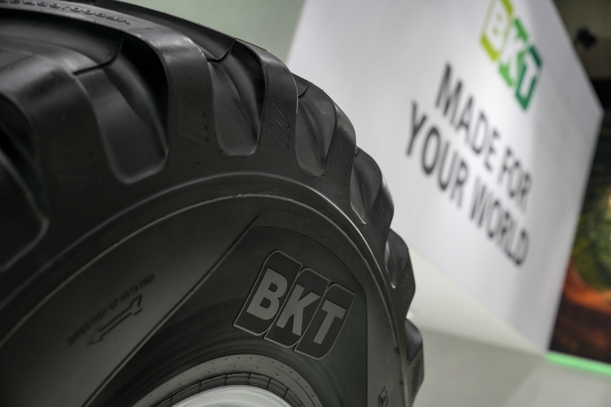
As agriculture embraces cutting-edge technologies and sustainable practices, tyre manufacturers must evolve to meet new challenges. BKT Tire, a global leader in off-highway tyres, has analysed the key trends shaping the future of agricultural tyres, addressing sustainability, smart technology, and advanced manufacturing.
From precision farming to IoT-connected tyres, the industry is shifting towards greater efficiency, durability, and environmental responsibility. Here’s what the future holds, according to BKT’s latest insights.
As sustainability becomes a top priority for the farming sector, BKT foresees a shift towards:
Eco-friendly materials such as biodegradable and recycled rubber compounds
Energy-efficient designs reducing rolling resistance and fuel consumption
Circular economy solutions, including tyre retreading and recycling
These advancements will help farmers reduce their carbon footprint while enhancing productivity.
Technology is transforming agriculture, and tyres are no exception. BKT predicts the widespread adoption of IoT-enabled smart tyres, which will provide:
Real-time monitoring of pressure, temperature, and wear
Automatic inflation systems to adjust pressure for optimal performance
Predictive maintenance alerts to prevent unexpected breakdowns
With data-driven decision-making, farmers will experience greater efficiency, reduced costs, and improved field management.
Modern agricultural machinery demands stronger, more durable tyres capable of handling tough conditions. BKT highlights several key innovations:
Stronger compounds and reinforced sidewalls for longer-lasting performance
Optimised tread patterns for improved traction and soil protection
Advanced materials to withstand extreme weather and terrain
These enhancements will extend tyre lifespan, reducing replacement costs and downtime.
BKT also predicts significant changes in tyre production, with new manufacturing techniques improving quality, efficiency, and sustainability. These include:
3D printing technology, allowing for customised tyre designs
AI-driven production processes, reducing waste and increasing precision
Automation in tyre testing, ensuring consistent performance
By integrating these innovations, BKT aims to revolutionise the way agricultural tyres are designed and produced.
Agriculture is becoming more specialised, and BKT expects tyres to follow suit. The future will bring:
Customisable tyre solutions tailored to different crops, terrains, and farming techniques
Hybrid tyres that adapt to multiple conditions, from wet fields to dry roads
mproved flotation technology to minimise soil compaction and protect yields
These developments will ensure greater efficiency, better crop protection, and higher yields.
As the agricultural industry embraces new technologies and sustainability goals, BKT Tire remains at the forefront of innovation. By focusing on eco-friendly materials, smart tyre technology, advanced durability, and manufacturing excellence, BKT is shaping the future of farming.
The company’s insights into emerging trends reaffirm its commitment to delivering high-performance, future-ready tyres for modern agriculture.
BKT highlights sustainability, smart technology, durability, and advanced manufacturing as the primary trends influencing tyre innovation.
IoT-enabled tyres will allow real-time monitoring, automatic inflation adjustments, and predictive maintenance, reducing costs and improving efficiency.
Yes. BKT is investing in biodegradable materials, recycled rubber compounds, and energy-efficient designs to promote sustainability.
The introduction of 3D printing, AI-driven production, and automated testing will enhance tyre customisation, quality, and efficiency.
Farmers will benefit from tailor-made tyre solutions for specific crops, terrains, and machinery, improving traction, durability, and soil protection.
Editorial Standards & Disclaimer
Tyre News Media is an independent industry publication. Our reporting is based on information available at the time of publication, including company announcements, regulatory filings, official data, research and other sources considered reliable.
Articles may include independent analysis and editorial interpretation. Where appropriate, company statements and third-party claims are attributed to their source. Analysis, estimates and forward-looking observations should not be read as statements of established fact.
Tyre News Media takes reasonable steps to ensure accuracy but welcomes corrections, clarifications and responses from organisations or individuals covered in our reporting. If you believe information is inaccurate or requires clarification, please contact info@tyrenews.co.uk. Material errors will be corrected as appropriate.
Commercial relationships, advertising and sponsorship do not determine Tyre News Media's editorial coverage or conclusions.

















.png)
%20(1).jpeg)