Bridgestone Advances End-of-Life Tyre Recycling with Pyrolysis Pilot Plant

Published:
February 13, 2025
Author:
James Lockwood

Tyre News Media takes a closer look at how the pyrolysis recycling process works

Bridgestone has launched a new pyrolysis pilot plant aimed at recycling end-of-life tyres (ELTs) into valuable raw materials. This initiative builds on previous trials at its Tokyo Innovation Park and aligns with the company’s EVERTIRE INITIATIVE, which targets carbon neutrality and a fully circular tyre manufacturing system by 2050.

How Pyrolysis Recycling Works

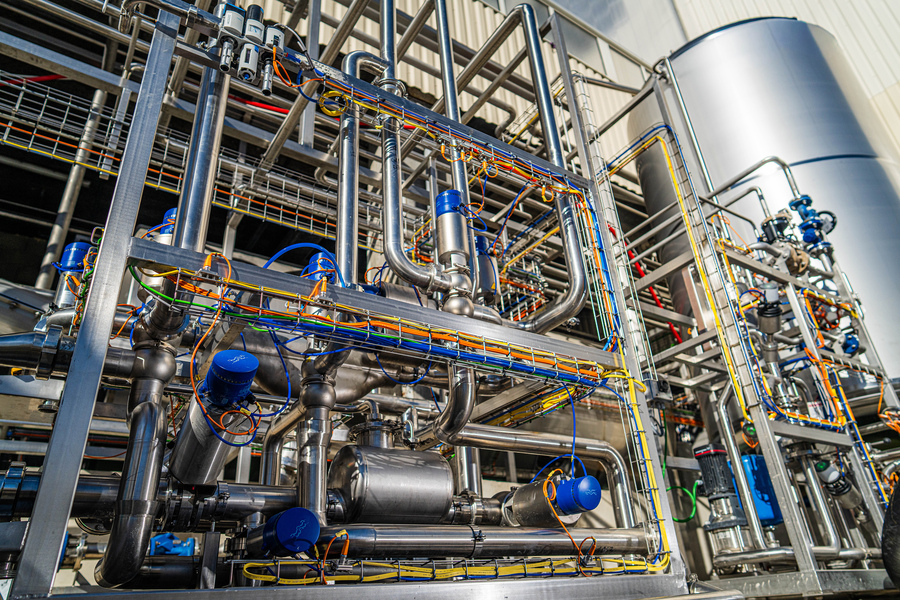
Pyrolysis is a chemical process that breaks down ELTs in an oxygen-free environment, allowing materials to be reused in tyre production.

  • Thermal Decomposition:
    • Tyres are heated in an oxygen-free chamber.
    • The process breaks down organic compounds without combustion.
  • Material Extraction:
    • The process yields two primary materials:
      • Tyre-derived oil (TDO) – which can be refined for industrial use.
      • Recovered carbon black (rCB) – a crucial ingredient in tyre manufacturing.
  • Horizontal Recycling:
    • Extracted materials are reintegrated into new tyre production, supporting a circular economy.
    • Reduces dependence on fossil-fuel-derived raw materials.
  • Environmental Impact:
    • Helps divert tyres from landfills and incineration, reducing environmental hazards.
    • Lowers CO2 emissions compared to traditional disposal methods.
  • Quality Control & Scalability:
    • The pilot plant will refine operational efficiency and material quality.
    • Bridgestone aims to scale the process for future mass production

.

Benefits of Pyrolysis in Tyre Recycling

Pyrolysis is gaining industry attention as a sustainable and efficient method for tyre recycling.

  • Material Recovery & Circular Economy:
    • Recovers carbon black, steel, and pyrolysis oil, reducing the need for virgin materials.
    • Supports circular economy principles by reintroducing materials into tyre production.
  • Reduced Environmental Impact:
    • Research from the Fraunhofer Institute found that pyrolysis reduces CO2 emissions by 703 kg per tonne of used tyres, compared to 561 kg CO2-eq from traditional recycling methods.
    • Prevents landfill waste, methane emissions, and environmental pollution.
  • Energy Recovery & Lower Emissions:
    • Produces syngas as a by-product, which can power the recycling process, reducing energy demands.
    • Pyrolysis oil has lower sulfur content than conventional fuels, leading to fewer harmful emissions.
  • Economic & Business Potential:
    • Creates new revenue streams in the recycling sector.
    • Strengthens markets for recovered carbon black (rCB) and tyre-derived oil (TDO).

How Pyrolysis Compares to Other Tyre Recycling Methods

Pyrolysis offers a more sustainable and efficient alternative to other recycling methods:

  • Landfilling:
    • Pyrolysis is far more environmentally friendly, as landfilling leads to long-term waste accumulation, fire risks, and methane emissions.
  • Mechanical Recycling:
    • While mechanical recycling retains more rubber quality, it faces challenges such as material degradation and inconsistent market demand.
    • Pyrolysis, in contrast, offers a broader range of end-products with greater potential applications.
  • Incineration & Tyre-Derived Fuel (TDF):
    • While these methods generate energy, they also produce high CO2 emissions and air pollution.
    • Pyrolysis avoids these issues by creating reusable raw materials instead of burning tyres for fuel.

The Future of Pyrolysis in Tyre Recycling

Bridgestone’s pyrolysis pilot plant marks an important step toward large-scale sustainable tyre recycling. By focusing on operational efficiency, material quality, and emissions control, the project is helping to shape a future of low-carbon, circular tyre manufacturing.

With global efforts to achieve carbon neutrality by 2050, pyrolysis could play a pivotal role in reducing tyre waste and making the tyre industry more sustainable.

Editorial Standards & Disclaimer
Tyre News Media is an independent industry publication. Our reporting is based on information available at the time of publication, including company announcements, regulatory filings, official data, research and other sources considered reliable.

Articles may include independent analysis and editorial interpretation. Where appropriate, company statements and third-party claims are attributed to their source. Analysis, estimates and forward-looking observations should not be read as statements of established fact.

Tyre News Media takes reasonable steps to ensure accuracy but welcomes corrections, clarifications and responses from organisations or individuals covered in our reporting. If you believe information is inaccurate or requires clarification, please contact info@tyrenews.co.uk. Material errors will be corrected as appropriate.

Commercial relationships, advertising and sponsorship do not determine Tyre News Media's editorial coverage or conclusions.

Let's Shape the Future of the Tyre Industry Together

Whether you're launching a product, sharing innovation, supporting sustainability initiatives or looking to engage with the global tyre industry.
Supporting the Future of the Tyre Industry
Join the organisations supporting the daily conversations shaping the future of the tyre industry.
Become an Official Sponsor
Untitled UI logotextLogo
© 2026 Tyre News Media. All rights reserved.